-
The Princess Who Vanished: Mary Seymour
She was born into royalty — and then erased from history. Mary Seymour was the only child of Queen Katherine Parr, the sixth and final wife of Henry VIII. Her birth in 1548 should have secured her a place in the Tudor legacy. Instead, it marked the beginning of one of England’s quietest historical mysteries. Mary’s life unraveled almost as soon as it began. Her mother died just days after giving birth, likely from complications related to childbirth. Her father, Thomas Seymour — ambitious, reckless, and politically dangerous — was executed for treason less than a year later. By the time Mary was two years old, she was an orphan.…
-
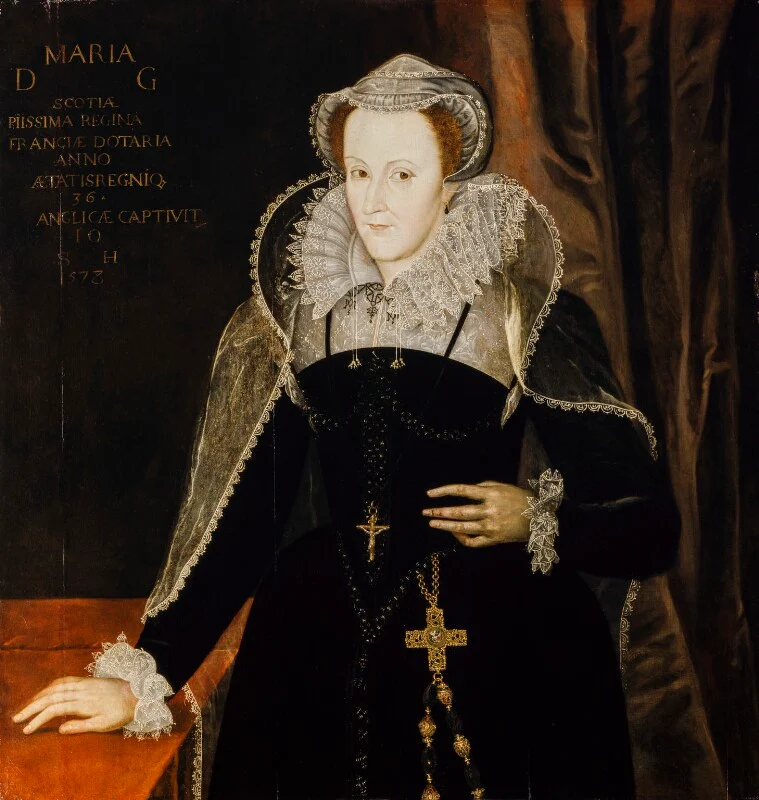
Mary Queen of Scots: Grace, Faith, and Defiance at the Scaffold
Mary, Queen of Scots met her death with a composure that stunned even her enemies. On February 8, 1587, she became the first anointed monarch in European history to be formally executed—a moment that permanently altered the idea of royal inviolability. Mary approached the scaffold at Fotheringhay Castle dressed in mourning black, projecting dignity and restraint. But beneath her gown, she wore crimson petticoats, a deliberate and powerful symbol. In Catholic tradition, red represented martyrdom, and Mary intended her death to be remembered not as a disgrace, but as a sacrifice made for her faith. Witnesses described her calm demeanor as she prayed aloud and forgave her executioners. She did…
-
Educated to Rule, Trained to Survive: The Making of Elizabeth I
Before she became one of England’s most powerful monarchs, Elizabeth I was a highly educated and politically vulnerable young girl navigating a court where survival depended on intelligence, silence, and self-control. Elizabeth Tudor’s early life was shaped by instability and danger. After the execution of her mother, Anne Boleyn, she was declared illegitimate and pushed to the margins of court life. From a young age, Elizabeth learned that royal favor could disappear instantly—and that knowledge, not emotion, was her safest refuge. Raised primarily at Hatfield House, Elizabeth received an exceptional Renaissance education. By her teenage years, she was fluent in Latin, Greek, French, and Italian, an extraordinary accomplishment for any…
-
Empress Elisabeth of Austria: The Dark Reality Behind the Fairytale
History loves to soften her edges — but Empress Elisabeth of Austria, known as Sisi, was never the delicate fairytale princess romanticized in portraits and films. She was strikingly tall for her era at 5’8”, with a famously tiny 19-inch waist, a figure she maintained through relentless discipline. Sisi exercised obsessively, fasted for long periods, and spent hours riding horses at punishing intensity. Beauty, for her, was not vanity — it was control. In a rigid imperial court that suffocated her, control over her body was one of the few freedoms she had left. Sisi shocked 19th-century Europe with behavior considered scandalous for an empress. She smoked, traveled alone, and…
-
Lady Jane Grey: The Girl Who Never Wanted the Crown
She was never meant to be a ruler — and she never wanted to be one. Born in 1537, Lady Jane Grey was brilliant, deeply religious, and happiest surrounded by books. Fluent in languages and devoted to learning, she was far more interested in theology than court politics. But Jane’s intelligence and royal blood made her valuable in a dangerous way. In Tudor England, that was often a death sentence. Jane’s childhood was shaped by pressure and control. Her parents and powerful relatives believed her bloodline could be used to secure influence at court. While other girls her age dreamed of marriage or freedom, Jane was groomed for something far…
-
Lucrezia Borgia: Power, Scandal, and the Woman Behind the Myth
Lucrezia Borgia was born into one of the most infamous families of Renaissance Italy. As the daughter of Pope Alexander VI and sister to the ruthless Cesare Borgia, her life was entangled with power, politics, and scandal from the very beginning. Her family name opened doors—but it also carried a heavy shadow. Throughout her life, Lucrezia was married three times, each union arranged for political advantage. While rumors swirled that her husbands met suspicious or untimely ends, much of the scandal surrounding her—including tales of incest and the infamous poison ring—was likely the product of gossip and political enemies seeking to tarnish her reputation. Yet Lucrezia was far from a…
-
Marie Antoinette: Courage, Scandal, and the Fall of a Queen
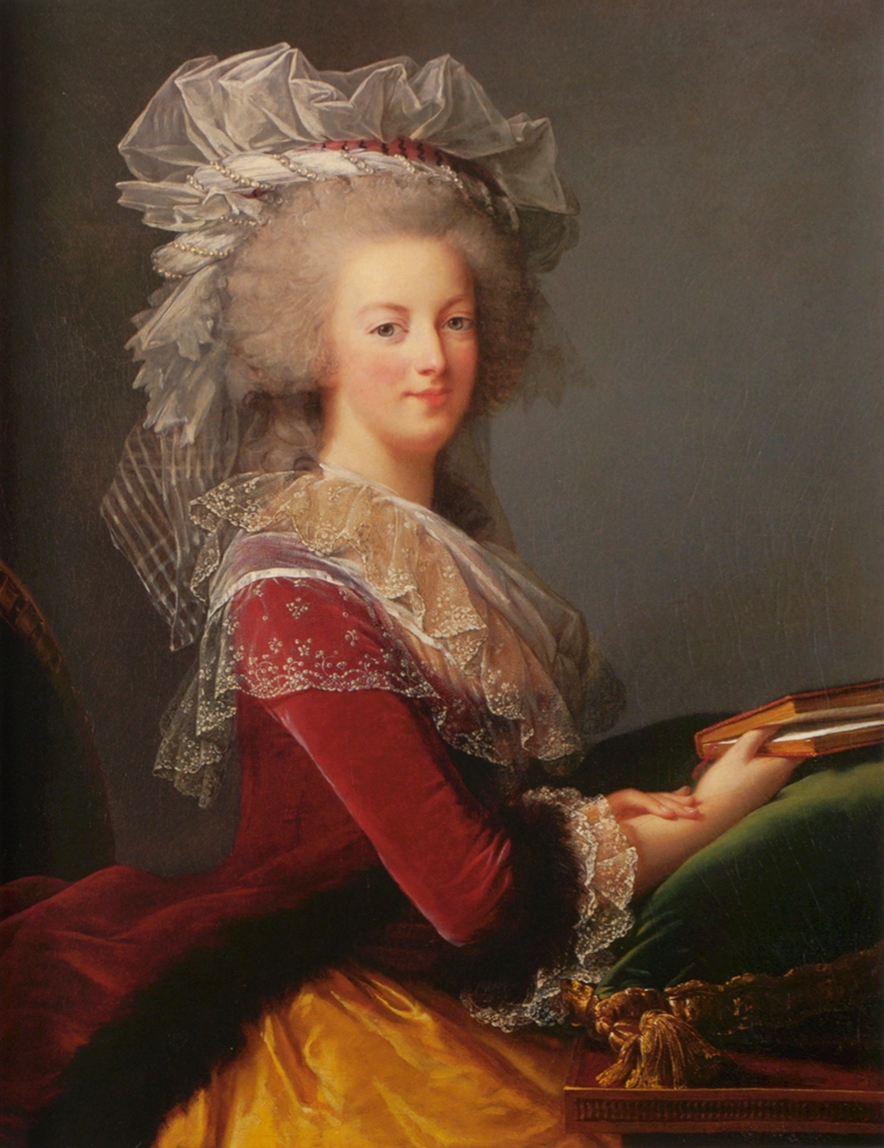
Marie Antoinette is often remembered simply as the queen who lost her head, but her life—and her death—tells a far richer, more tragic story. Born an Austrian archduchess, she arrived in France at just 14 years old to marry the future Louis XVI, stepping into a world of elaborate court rituals, political intrigue, and constant scrutiny. From the start, her every action was observed and judged, and whispers about her behavior and extravagance quickly began to spread. By the time of the French Revolution, Marie Antoinette had become the target of some of the most vicious gossip in history. Pamphlets painted her as a symbol of corruption, decadence, and moral…
-
Anne Boleyn and Elizabeth: A Mother’s Love Before the Scaffold
Anne Boleyn’s final days were marked not only by fear and uncertainty, but by heartbreak. As she awaited execution in the Tower of London in May 1536, her thoughts turned again and again to her young daughter, Elizabeth. The child was not yet three years old when her mother was condemned to die. Anne was permitted limited comforts during her imprisonment, and witnesses noted her composure—but beneath that calm was deep maternal sorrow. She knew she would never see Elizabeth grow, never guide her through court life, never protect her from the dangers of the Tudor world. In her final moments, Anne reportedly spoke of her child with tenderness, asking…