
Mary, Queen of Scots met her death with a composure that stunned even her enemies. On February 8, 1587, she became the first anointed monarch in European history to be formally executed—a moment that permanently altered the idea of royal inviolability.
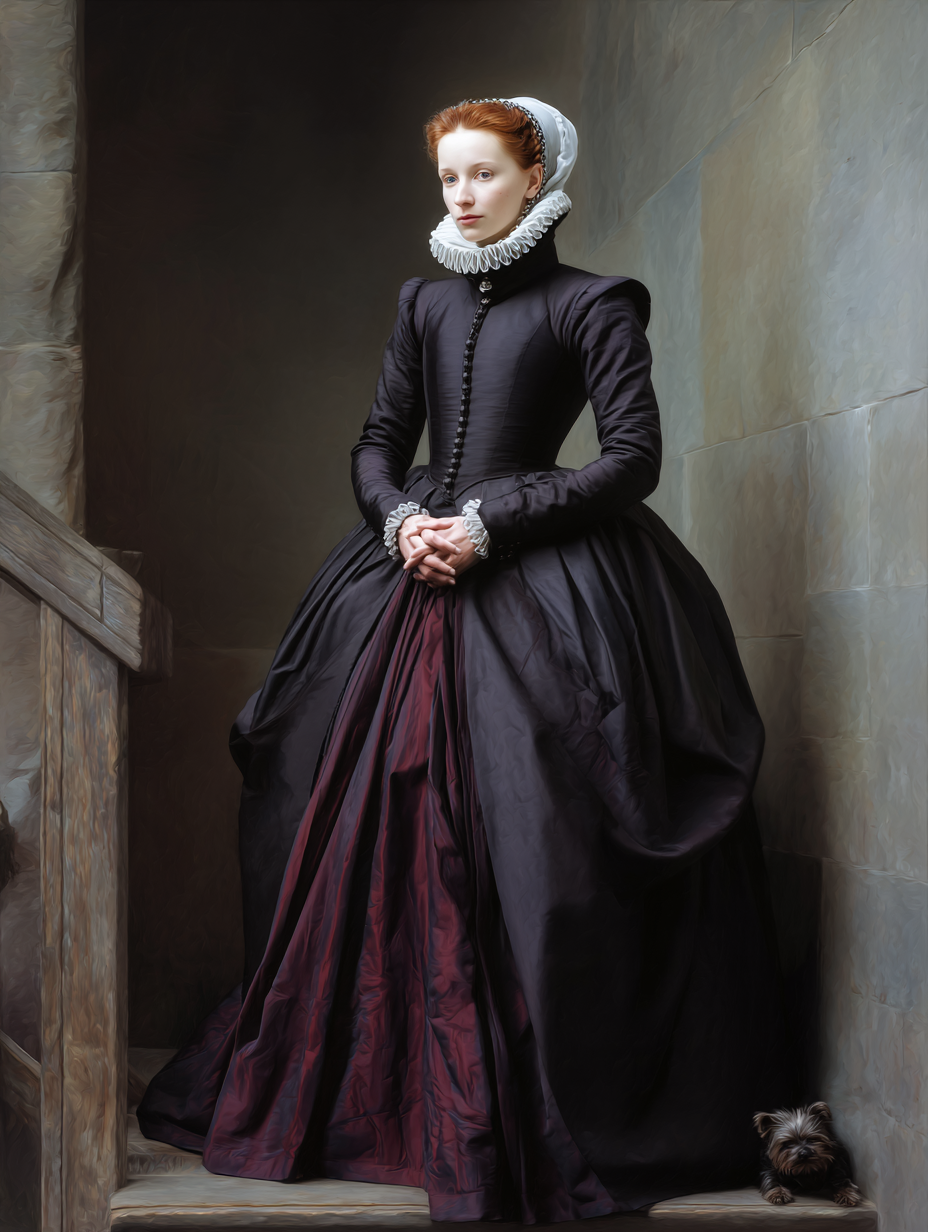
Mary approached the scaffold at Fotheringhay Castle dressed in mourning black, projecting dignity and restraint. But beneath her gown, she wore crimson petticoats, a deliberate and powerful symbol. In Catholic tradition, red represented martyrdom, and Mary intended her death to be remembered not as a disgrace, but as a sacrifice made for her faith.
Witnesses described her calm demeanor as she prayed aloud and forgave her executioners. She did not protest, plead, or falter. Instead, Mary controlled the narrative of her final moments, turning the scaffold into a stage for quiet resistance. Her execution was meant to erase her threat—but instead, it cemented her legacy.
After her death, a heartbreaking discovery was made. Mary’s small Skye terrier, a loyal companion, had hidden beneath her skirts during the execution and refused to leave her body. The image of the abandoned dog underscored the humanity of a woman so often reduced to political danger and religious controversy.
History remembers Mary, Queen of Scots not only as a rival queen or a tragic prisoner, but as a woman who met betrayal and death with courage, conviction, and grace. In her final moments, she claimed what power she still possessed: how she would be remembered.