
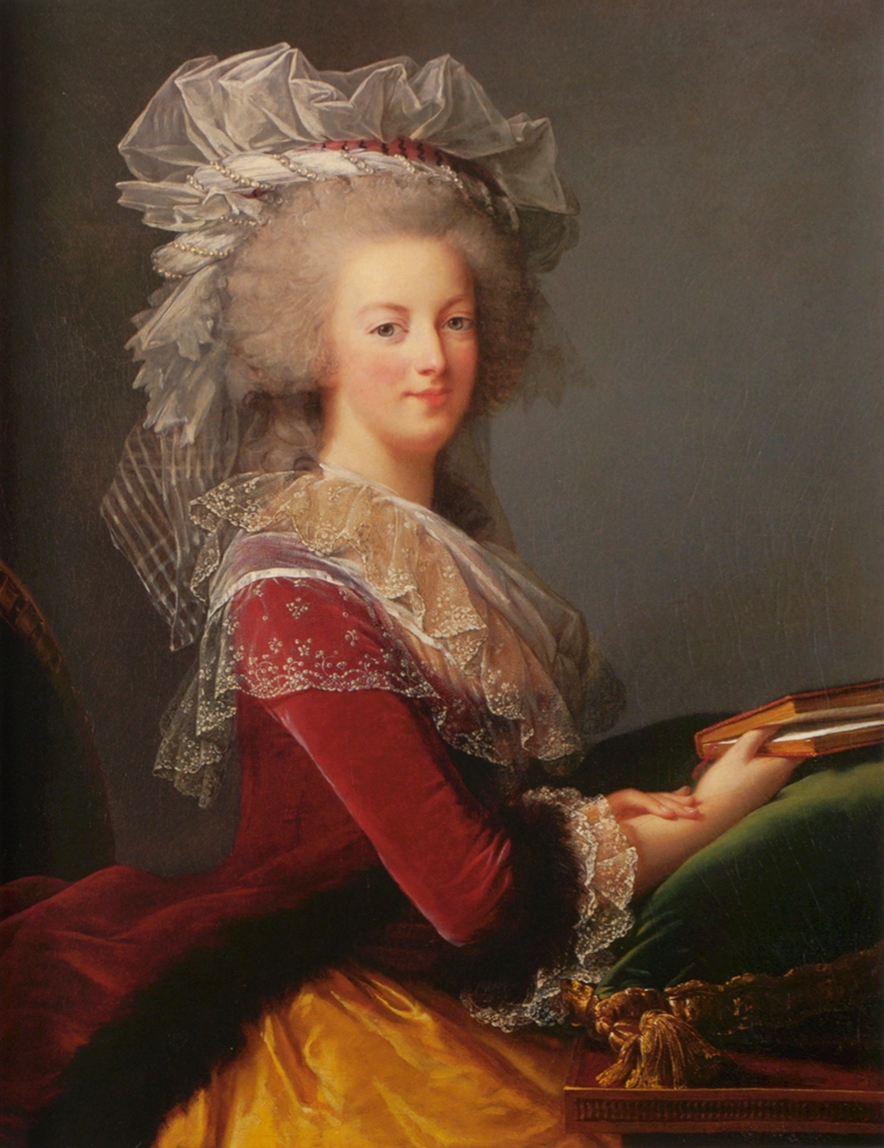
Marie Antoinette is often remembered simply as the queen who lost her head, but her life—and her death—tells a far richer, more tragic story. Born an Austrian archduchess, she arrived in France at just 14 years old to marry the future Louis XVI, stepping into a world of elaborate court rituals, political intrigue, and constant scrutiny. From the start, her every action was observed and judged, and whispers about her behavior and extravagance quickly began to spread.
By the time of the French Revolution, Marie Antoinette had become the target of some of the most vicious gossip in history. Pamphlets painted her as a symbol of corruption, decadence, and moral decay. Scandals ranged from allegations of lavish spending to absurd and shocking claims—including affairs with court figures and, most horrifically, incest with her young son. These accusations, fueled by revolutionary fervor, aimed not only to tarnish her reputation but to delegitimize the monarchy entirely.
At her trial in 1793, one of these shocking accusations was read aloud in court. The room reportedly fell silent, the tension palpable as witnesses and spectators absorbed the grotesque allegation. For the first time in months of imprisonment and public vilification, Marie Antoinette broke her silence. With remarkable composure and dignity, she addressed the accusation head-on, declaring, “Nature itself refuses to answer such a charge.” Her words drew applause from the courtroom, a fleeting acknowledgment of her courage in the face of relentless hostility.
Yet even this courage could not save her. Her life had been consumed by political battles she could not control and rumors she could not stop. Days after the trial, she was led to the guillotine, maintaining her dignity to the very end. Her execution marked the tragic culmination of a life shaped by power, privilege, and peril.
Marie Antoinette’s story resonates centuries later, reminding us of the fragility of reputation, the cruelty of public opinion, and the human capacity for courage under impossible circumstances. She was more than the queen who lost her head—she was a woman navigating one of the most dangerous political landscapes in history, a figure both vilified and revered, whose life and death continue to captivate historians, writers, and audiences around the world.