
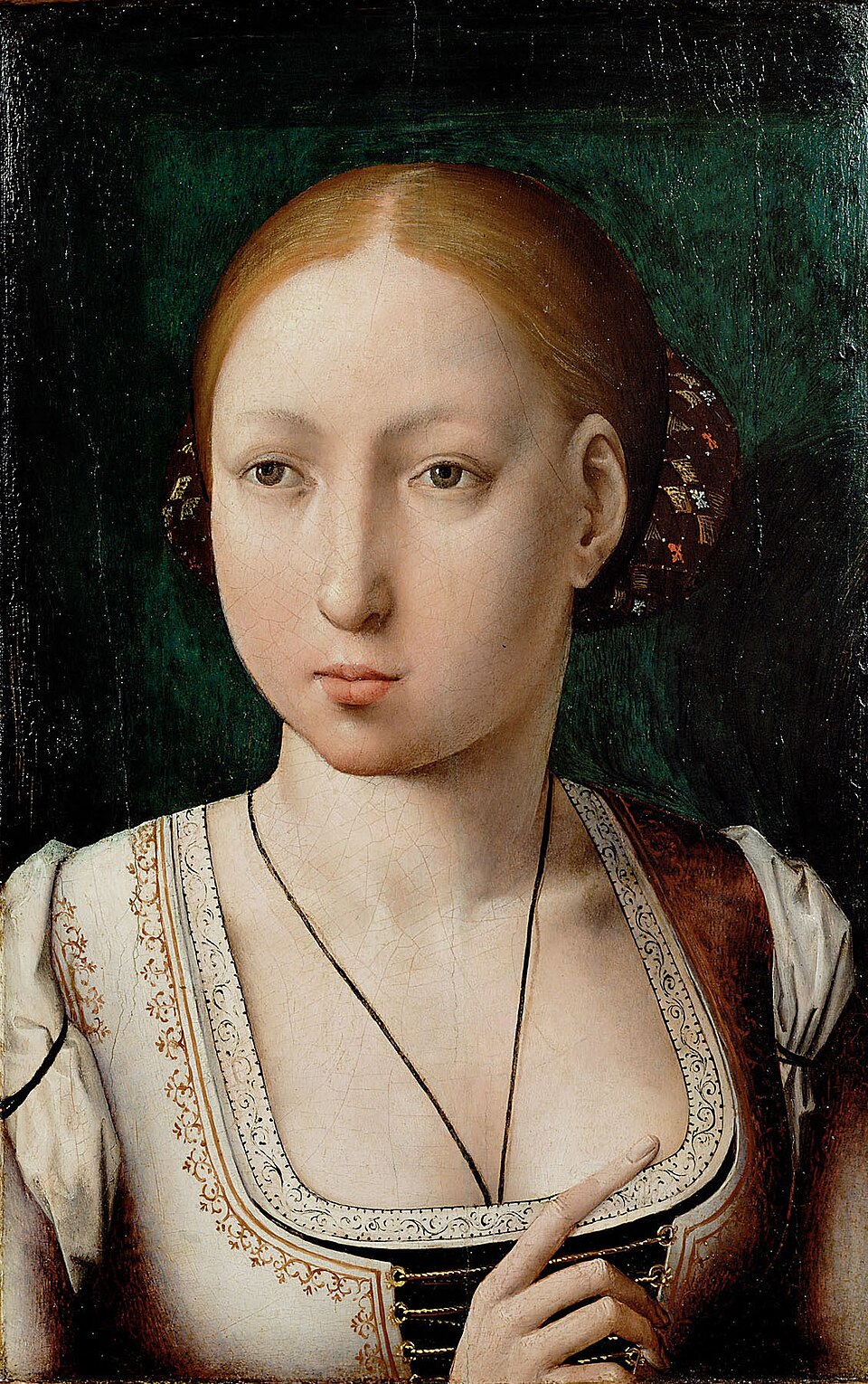
Juana of Castile was a queen by birthright.
She was the daughter of two of the most powerful monarchs in Europe—Ferdinand of Aragon and Isabella of Castile. Raised in a court that valued education and political awareness, Juana was intelligent, well-educated, and every inch a legitimate heir to one of the most powerful kingdoms in Europe.
By law, the crown of Castile belonged to her.
But law and power were not always the same.
Juana’s life changed after the death of her husband, Philip the Handsome, in 1506. Philip had ruled beside her as king of Castile, but his sudden death left Juana the sole rightful monarch. Instead of allowing her to exercise that authority, the men around her made another decision.
They ruled for her.
First, her father, Ferdinand of Aragon, assumed control of Castile in her name. Officially, Juana remained queen. In reality, power shifted away from her entirely.
When Ferdinand died in 1516, the pattern continued.
Juana’s son, Charles—who would later become Charles V, Holy Roman Emperor—took control of the Spanish kingdoms. Once again, the crown technically remained Juana’s, but authority rested firmly in someone else’s hands.
And Juana herself was removed from public life.
She was confined to the Royal Palace of Tordesillas, where she lived under constant supervision. Declared mentally unstable and unfit to govern, she was isolated from political influence and largely silenced in the affairs of her own kingdom.
There she remained for nearly fifty years.
Juana lived long enough to see the world around her transformed—the rise of the Habsburg empire, the consolidation of Spain, and the expansion of royal power across Europe.
But she experienced it all from confinement.
Historians still debate the truth behind the accusations used to justify her imprisonment. Some accounts describe periods of emotional distress and grief after Philip’s death. Others suggest that her supposed instability was exaggerated—or even weaponized—by those who benefited from removing her from power.
What is clear is this: Juana never formally lost her title.
Until her death in 1555, she remained Queen of Castile.
A queen in name.
A prisoner in reality.
For nearly five decades, Juana lived behind locked doors—not because she lacked a claim to rule, but because the men surrounding the throne believed their rule mattered more than her right to it.
History remembers her as Juana la Loca — Juana the Mad.
.