Tudor Queens
-
Mary Queen of Scots: Grace, Faith, and Defiance at the Scaffold
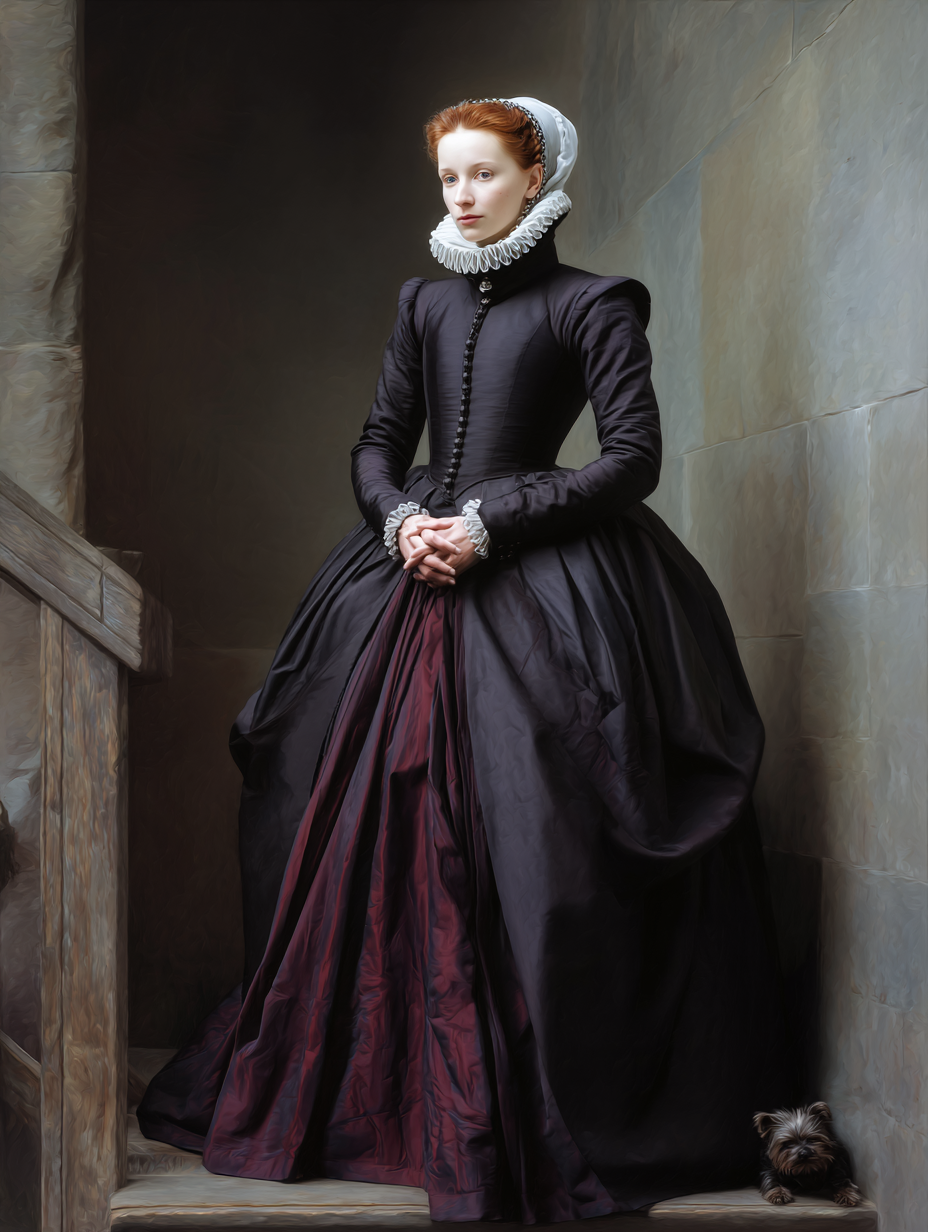
Mary, Queen of Scots met her death with a composure that stunned even her enemies. On February 8, 1587, she became the first anointed monarch in European history to be formally executed—a moment that permanently altered the idea of royal inviolability. Mary approached the scaffold at Fotheringhay Castle dressed in mourning black, projecting dignity and restraint. But beneath her gown, she wore crimson petticoats, a deliberate and powerful symbol. In Catholic tradition, red represented martyrdom, and Mary intended her death to be remembered not as a disgrace, but as a sacrifice made for her faith. Witnesses described her calm demeanor as she prayed aloud and forgave her executioners. She did…
-
Educated to Rule, Trained to Survive: The Making of Elizabeth I
Before she became one of England’s most powerful monarchs, Elizabeth I was a highly educated and politically vulnerable young girl navigating a court where survival depended on intelligence, silence, and self-control. Elizabeth Tudor’s early life was shaped by instability and danger. After the execution of her mother, Anne Boleyn, she was declared illegitimate and pushed to the margins of court life. From a young age, Elizabeth learned that royal favor could disappear instantly—and that knowledge, not emotion, was her safest refuge. Raised primarily at Hatfield House, Elizabeth received an exceptional Renaissance education. By her teenage years, she was fluent in Latin, Greek, French, and Italian, an extraordinary accomplishment for any…
-
Lady Jane Grey: The Girl Who Never Wanted the Crown
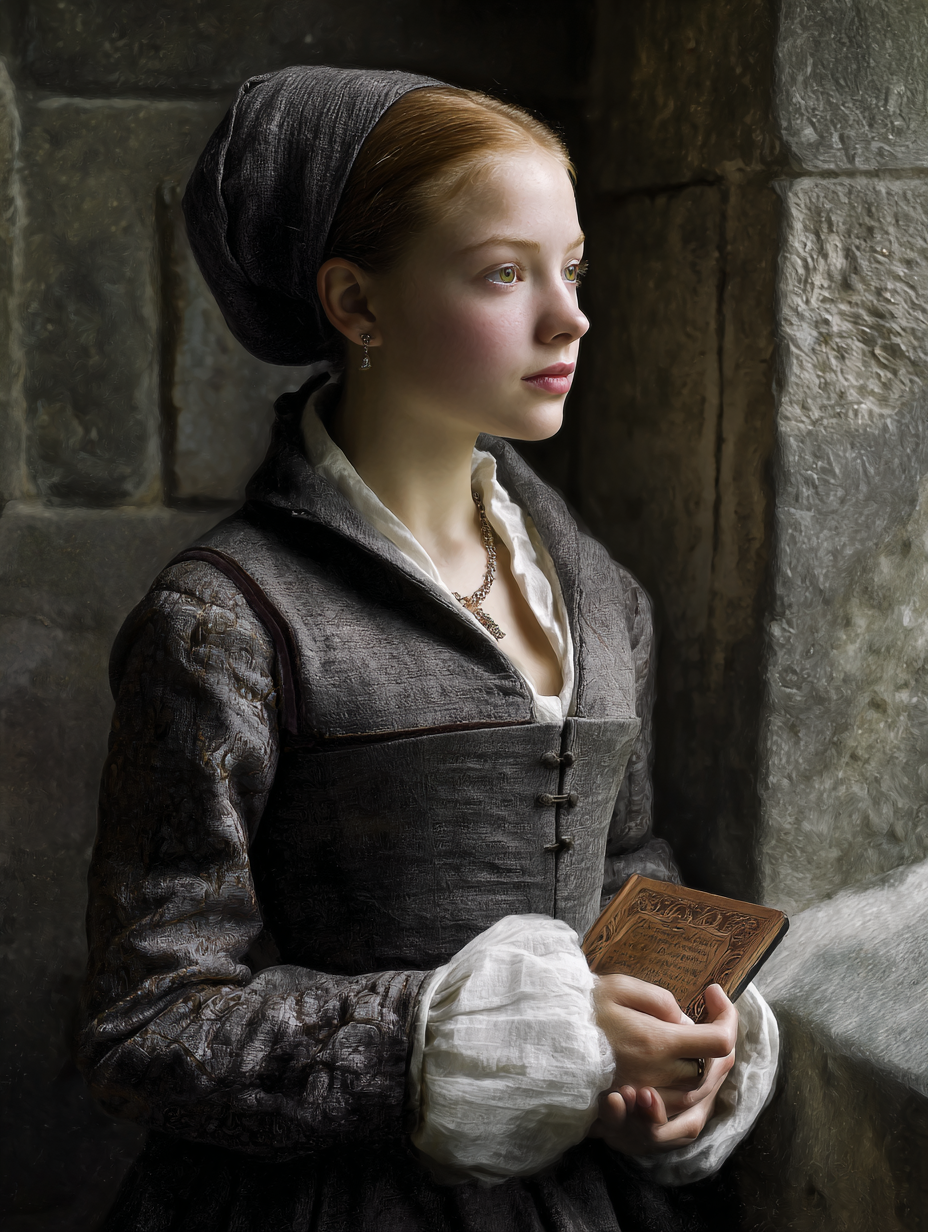
She was never meant to be a ruler — and she never wanted to be one. Born in 1537, Lady Jane Grey was brilliant, deeply religious, and happiest surrounded by books. Fluent in languages and devoted to learning, she was far more interested in theology than court politics. But Jane’s intelligence and royal blood made her valuable in a dangerous way. In Tudor England, that was often a death sentence. Jane’s childhood was shaped by pressure and control. Her parents and powerful relatives believed her bloodline could be used to secure influence at court. While other girls her age dreamed of marriage or freedom, Jane was groomed for something far…
-
Anne Boleyn and Elizabeth: A Mother’s Love Before the Scaffold
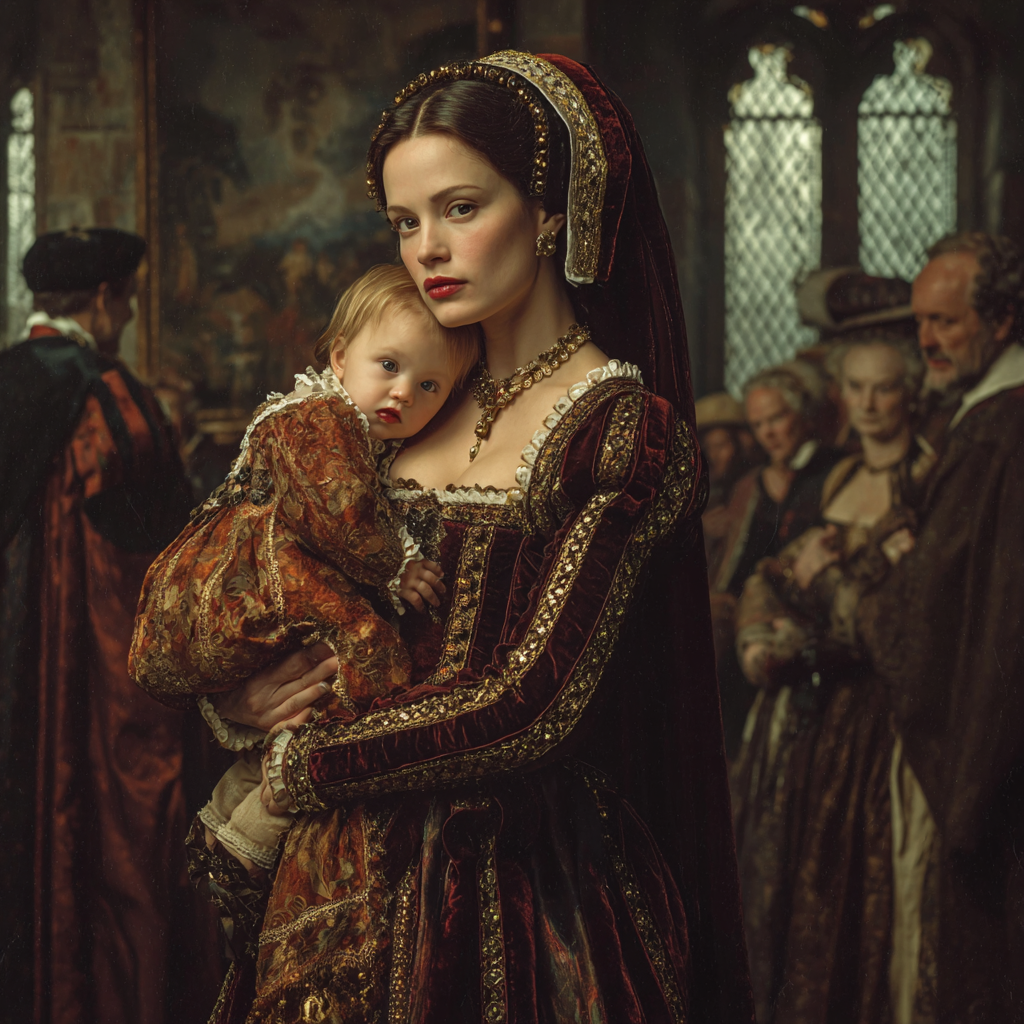
Anne Boleyn’s final days were marked not only by fear and uncertainty, but by heartbreak. As she awaited execution in the Tower of London in May 1536, her thoughts turned again and again to her young daughter, Elizabeth. The child was not yet three years old when her mother was condemned to die. Anne was permitted limited comforts during her imprisonment, and witnesses noted her composure—but beneath that calm was deep maternal sorrow. She knew she would never see Elizabeth grow, never guide her through court life, never protect her from the dangers of the Tudor world. In her final moments, Anne reportedly spoke of her child with tenderness, asking…
-
Did Anne of Cleves Mock Henry VIII with Holbein’s Portrait? Separating Myth from History
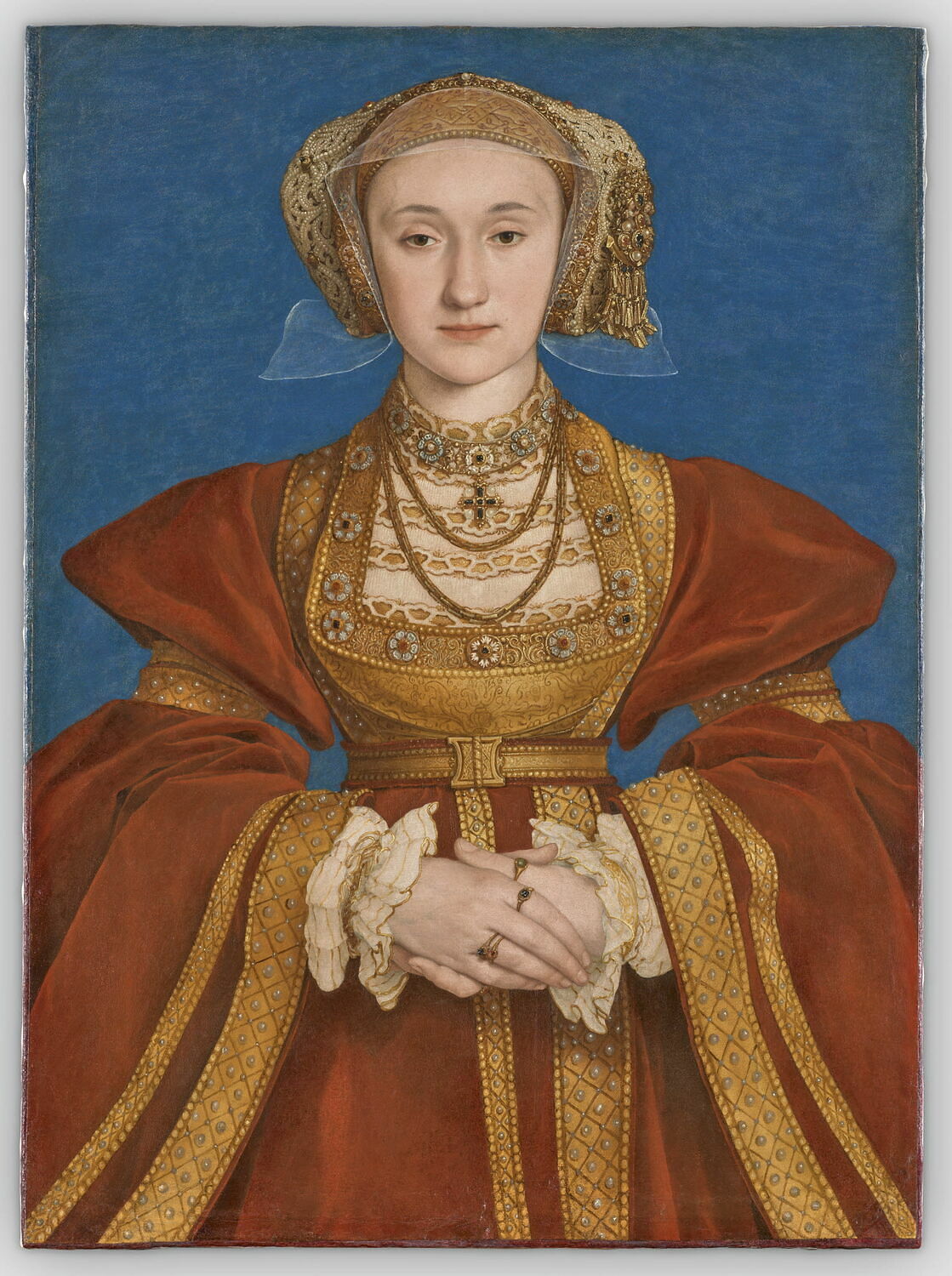
One of the most deliciously scandalous stories about Anne of Cleves claims that after her failed marriage to Henry VIII, she hung Hans Holbein’s famous portrait of herself in her castle—just to mock the king who had rejected her. It’s a tale that feels perfectly suited to Tudor drama: quiet revenge, sharp wit, and a woman getting the last laugh. But like many good stories from history, it isn’t true. There is no evidence that Anne of Cleves ever displayed Holbein’s portrait as an insult to Henry VIII. In fact, contemporary records show no mention of her owning or exhibiting the painting at all. The idea that she used it…
-
The Howard Curse: Power, Queens, and the Shadow of the Scaffold
The Howard family was one of the most powerful dynasties in Tudor England—but their rise to influence came at a devastating cost. Their story reads less like a triumph of ambition and more like a cautionary tale, steeped in blood, betrayal, and the ever-present threat of the scaffold. At the heart of this tragedy were two queens: Anne Boleyn and Catherine Howard, first cousins who both ascended to the throne as wives of Henry VIII. Each woman rose quickly, dazzled the court, and reshaped the kingdom in her own way. And each met the same brutal end. Anne Boleyn, Henry’s second wife, was executed in 1536 after being accused of…
-
Anne of Cleves and the Art of Survival at Tudor Court
Henry VIII famously dismissed Anne of Cleves as a “Flanders mare.” Their marriage, arranged for political gain, was a disaster from the start—and it was never even consummated. For most women who failed to please Henry, that alone could be a death sentence. Anne, however, understood something far more important than romance: survival. Brought to England from Germany in 1540, Anne was judged harshly by a king who felt deceived by flattering portraits and political necessity. Henry recoiled from the match, and the tension was immediate. But instead of resisting or clinging to the crown, Anne did something radical—she agreed to an annulment without protest. That single decision saved her…
-
The Queen Whose Rest Was Stolen: A Tale of Survival and Scandal Katherine Parr
Katherine Parr survived the fearsome reign of Henry VIII, a king whose relentless pursuit of a male heir left wives disgraced, divorced, or dead. Intelligent, devout, and politically astute, Katherine navigated the Tudor court with caution and resolve. She acted as regent, promoted religious reform, and managed to do what no other wife could—outlive the king whose shadow loomed over them all. But survival did not grant her peace. Katherine died in 1548 and was laid to rest at Sudeley Castle, her grave meant to mark the quiet end of a remarkable life. Instead, centuries later, her body became the subject of morbid fascination. In the late 18th century, her…