Margaret Pole: The Last Plantagenet

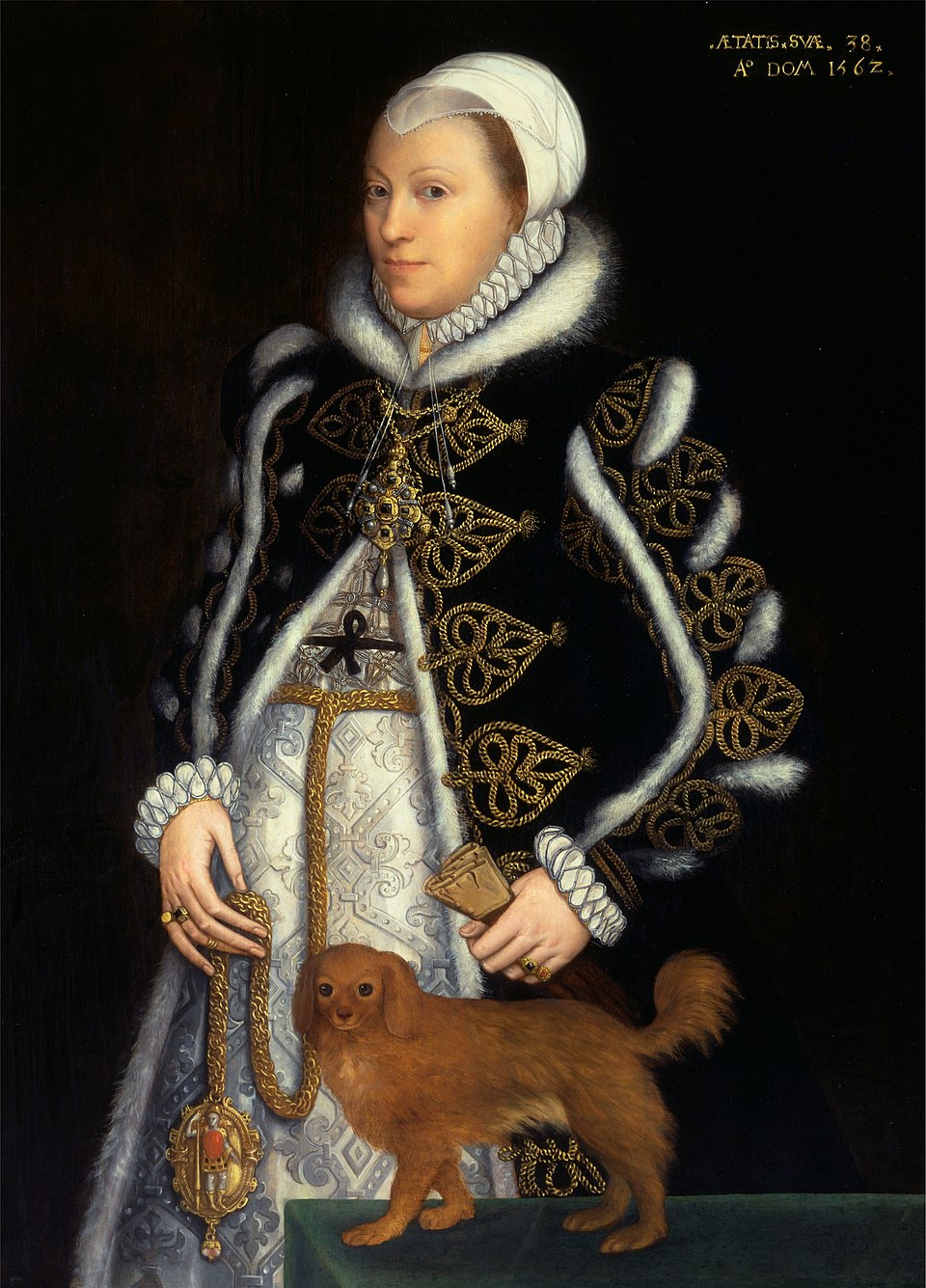
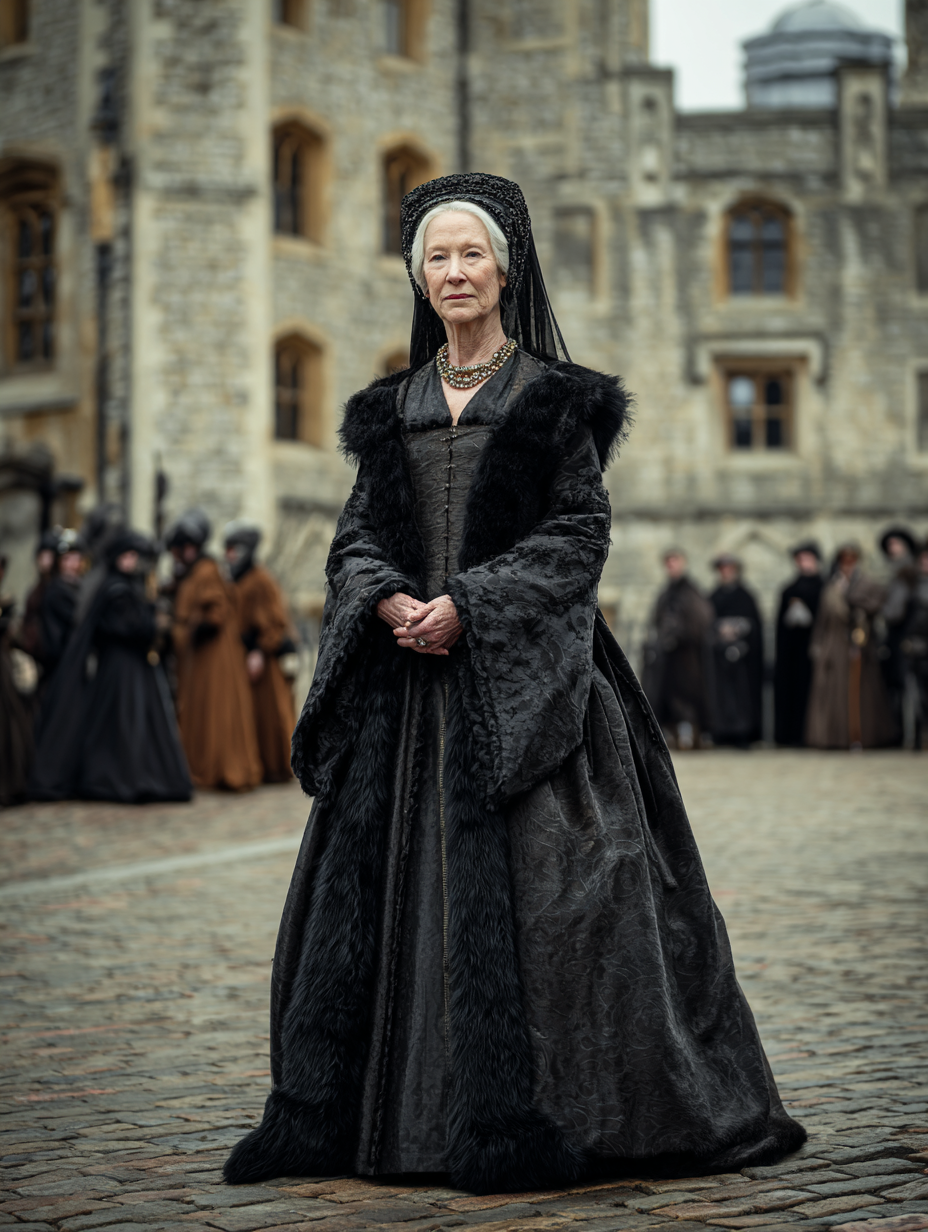
Margaret Pole

Margaret Pole, Countess of Salisbury was sixty-eight years old when Henry VIII ordered her execution in 1541. In an age when most women of her rank faded quietly into retirement, Margaret met a far more violent end — not for anything she had done, but for who she was. She was no ordinary noblewoman. Margaret … Read more

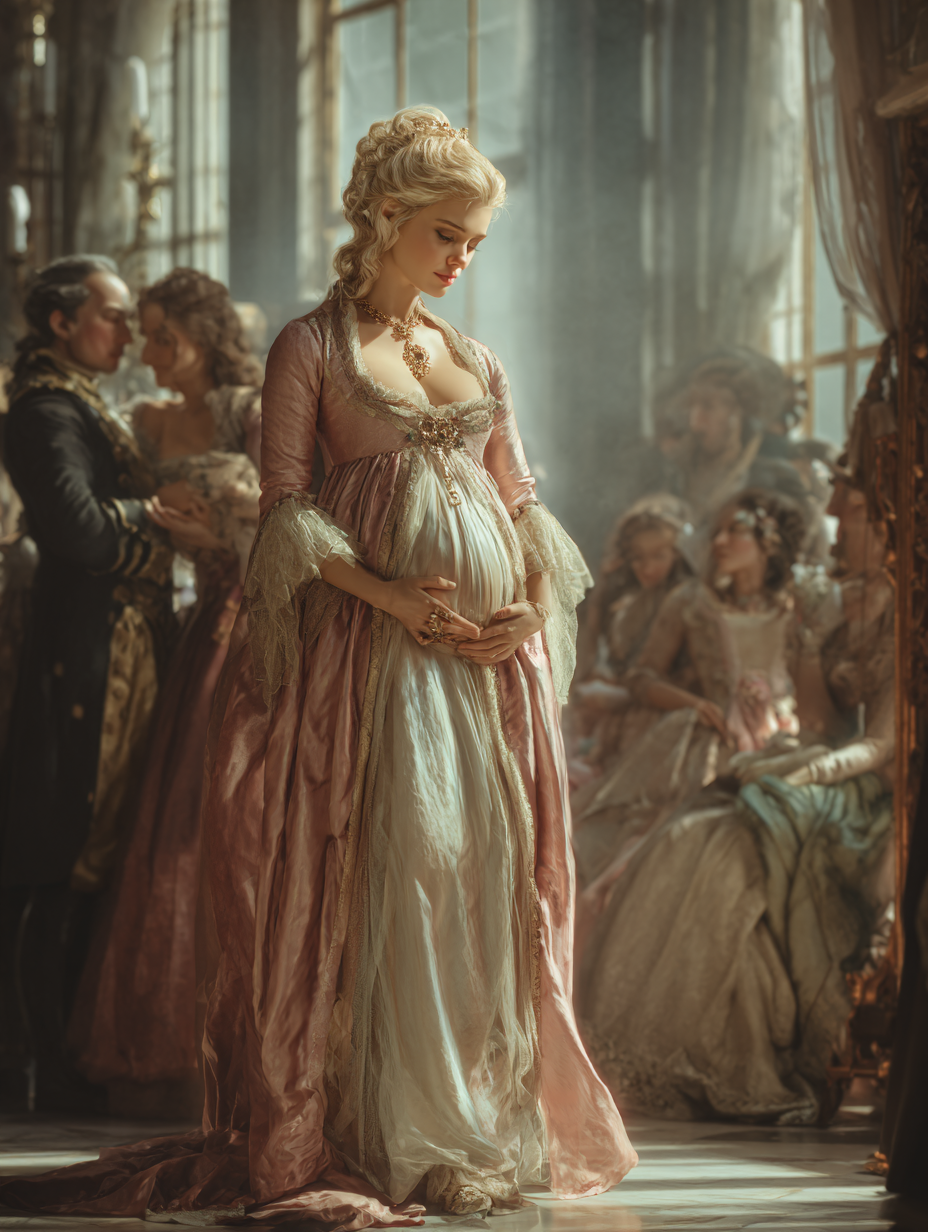
The Princess Who Vanished: Mary Seymour

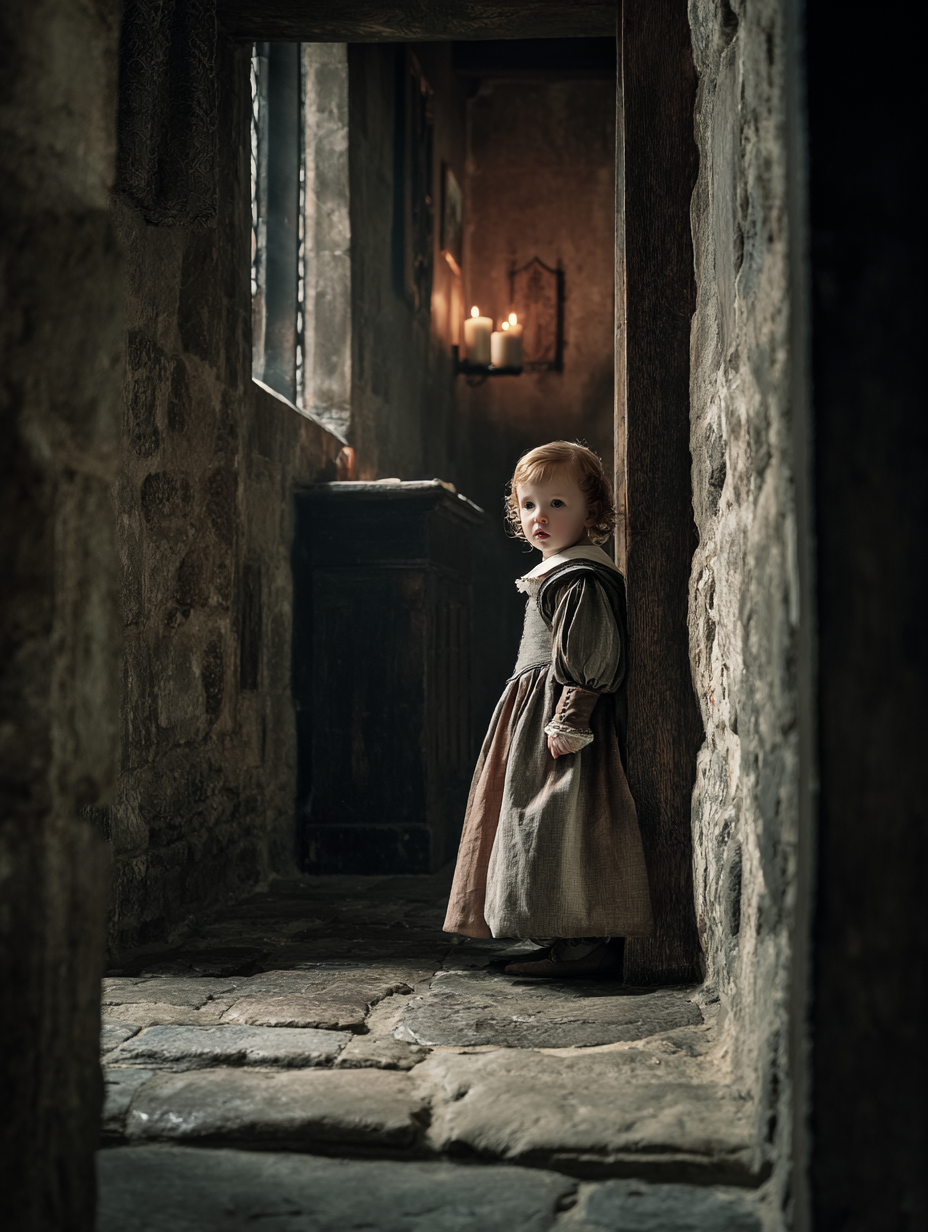
Mary Seymour, daughter of Queen Katherine Parr, shown as a young Tudor princess in a candlelit 16th-century palace, representing her disappearance from historical records.

She was born into royalty — and then erased from history. Mary Seymour was the only child of Queen Katherine Parr, the sixth and final wife of Henry VIII. Her birth in 1548 should have secured her a place in the Tudor legacy. Instead, it marked the beginning of one of England’s quietest historical mysteries. … Read more

Mary Queen of Scots: Grace, Faith, and Defiance at the Scaffold

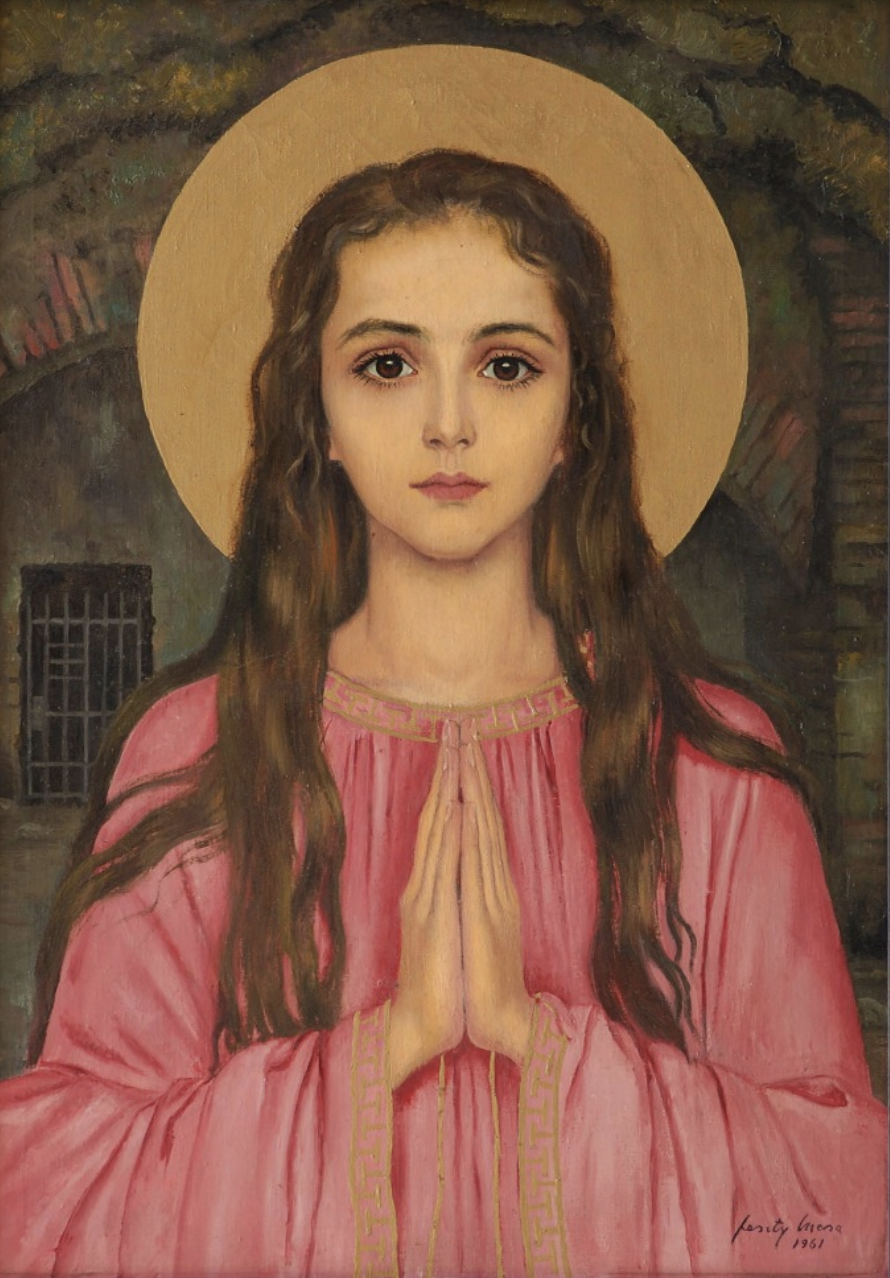
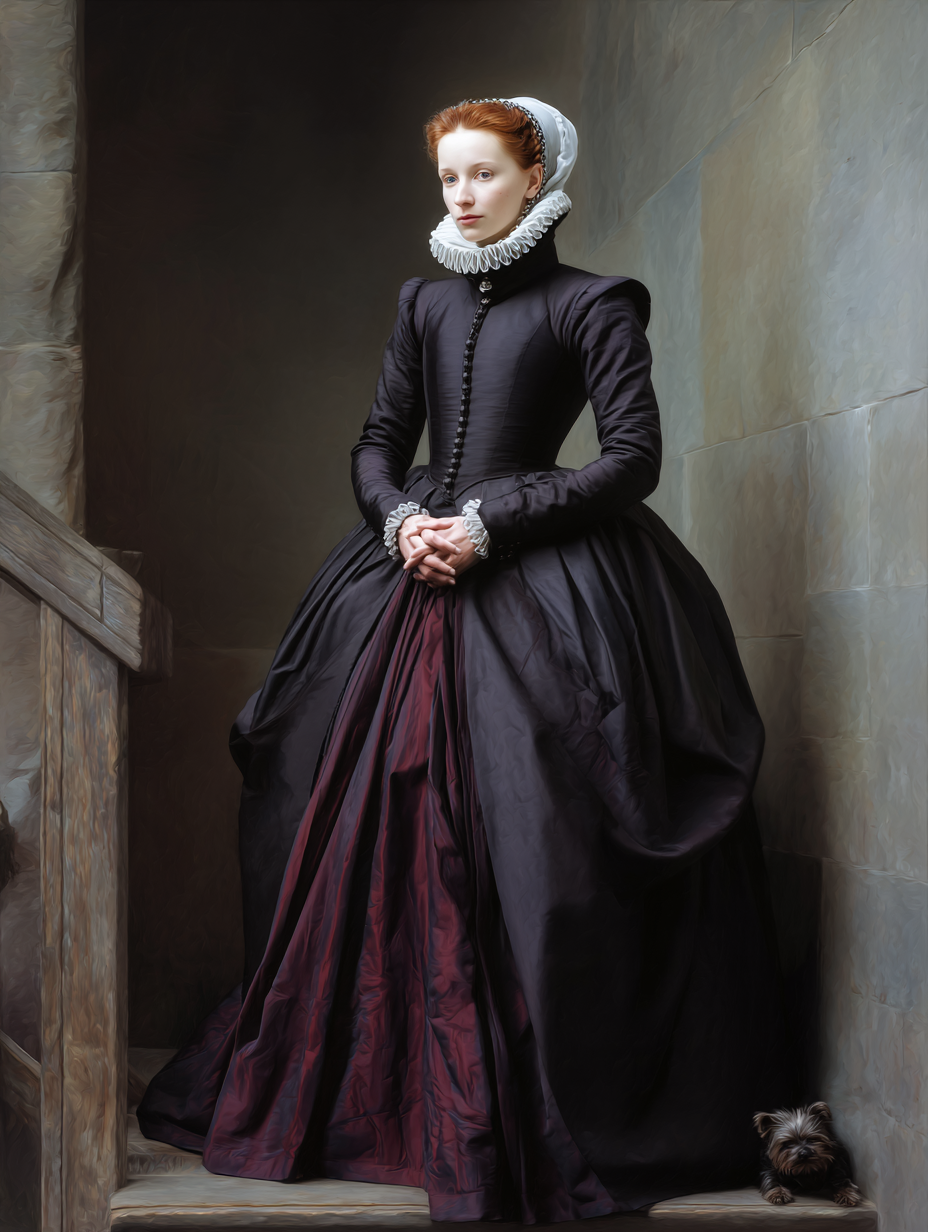
Mary Queen of Scots at Fotheringhay Castle before her execution

Mary, Queen of Scots met her death with a composure that stunned even her enemies. On February 8, 1587, she became the first anointed monarch in European history to be formally executed—a moment that permanently altered the idea of royal inviolability. Mary approached the scaffold at Fotheringhay Castle dressed in mourning black, projecting dignity and … Read more

Educated to Rule, Trained to Survive: The Making of Elizabeth I

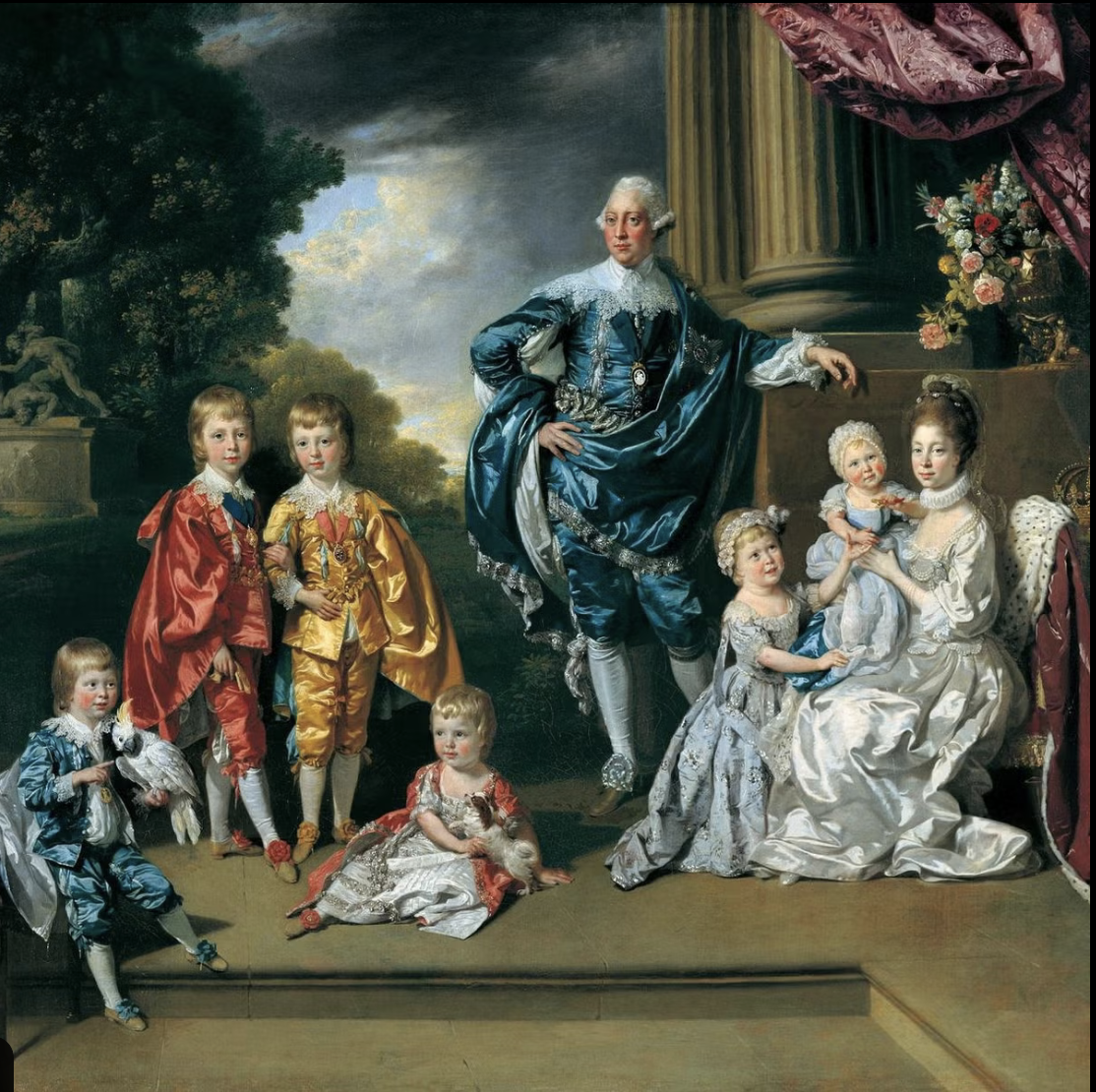
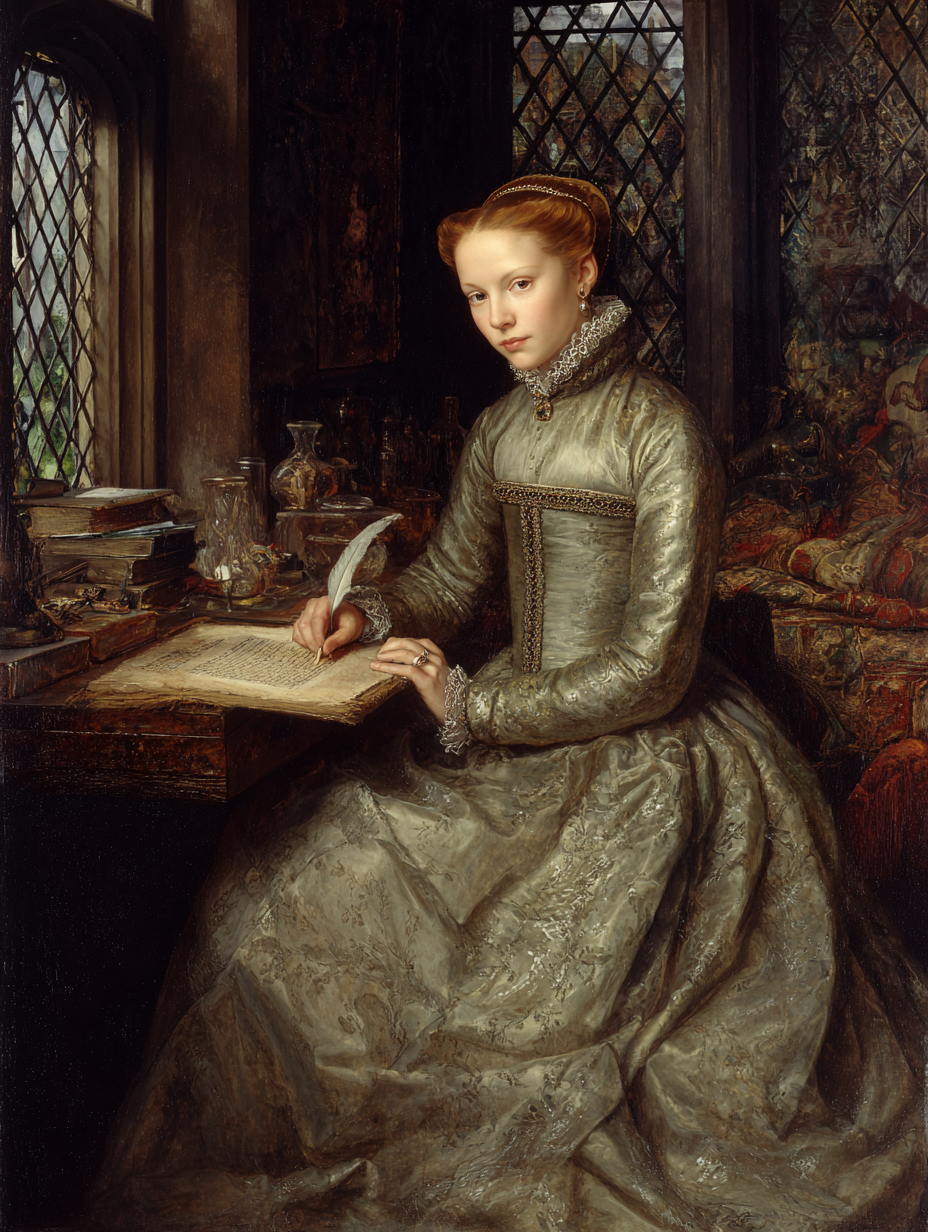
Young Elizabeth Tudor before becoming Queen Elizabeth I

Before she became one of England’s most powerful monarchs, Elizabeth I was a highly educated and politically vulnerable young girl navigating a court where survival depended on intelligence, silence, and self-control. Elizabeth Tudor’s early life was shaped by instability and danger. After the execution of her mother, Anne Boleyn, she was declared illegitimate and pushed … Read more