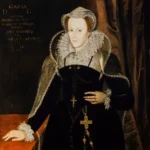
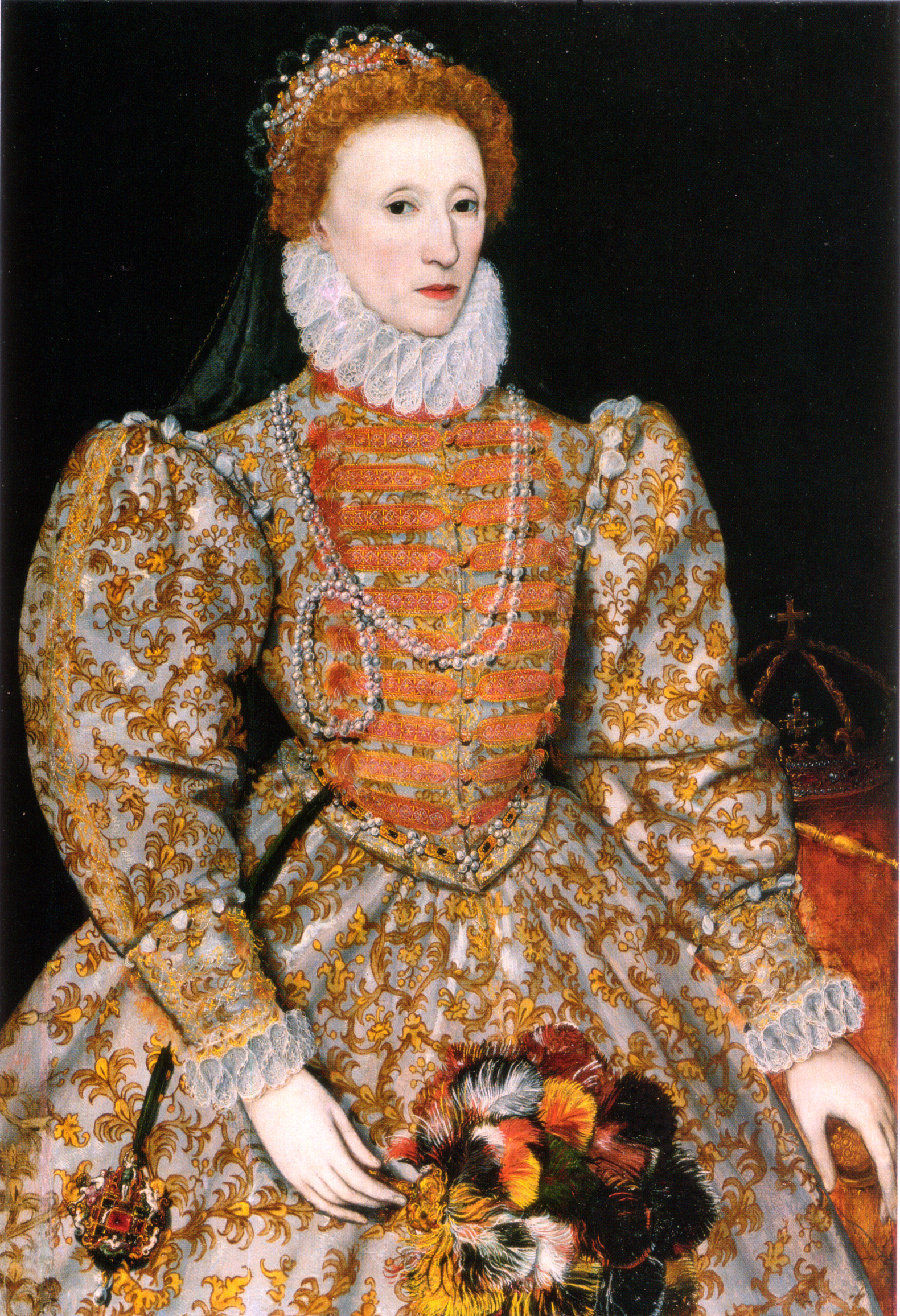
For nearly nineteen years, Queen Elizabeth I refused to sign the death warrant of Mary, Queen of Scots.
Mary lived under royal custody in England — watched, restricted, and moved between castles — but her life was deliberately preserved. Elizabeth resisted Parliament’s demands, delayed judgment, and avoided making a final decision for nearly two decades.
The reason was simple and terrifying.
Executing an anointed queen had almost no precedent in European history. Monarchs ruled by divine authority. If one queen could be legally tried and killed, then the idea of sacred monarchy itself would begin to fracture.
If Mary could die on the scaffold, no ruler was truly safe.
The situation was made even more dangerous by blood.
Elizabeth and Mary were cousins, both descended from Henry VII, which gave Mary a legitimate claim to the English throne. To English Catholics who rejected Elizabeth’s Protestant rule, Mary was not simply a rival — she was the rightful queen.
That claim made her presence explosive.
Mary was more than a prisoner in England. She was a symbol around which rebellions could gather. Over the years, multiple plots formed in her name. Some supporters hoped to free her. Others hoped to replace Elizabeth entirely.
Whether Mary actively encouraged these conspiracies remains debated by historians.
But Elizabeth could not ignore the danger.
Despite years of captivity and correspondence between the two women, Elizabeth and Mary never met face to face. The decision was deliberate. A meeting would have publicly acknowledged Mary as Elizabeth’s equal — another sovereign monarch.
Elizabeth ruled through distance and ambiguity.
Meeting Mary would have forced promises and political recognition that Elizabeth could not safely grant.
For years, the stalemate continued.
Then, in 1586, everything changed.
The Babington Plot emerged — a conspiracy to assassinate Elizabeth and place Mary on the English throne. Intercepted letters appeared to show Mary approving the plan. Historians still debate whether the evidence was manipulated by Elizabeth’s spymaster, Sir Francis Walsingham, but under English law it was enough.
Mary was convicted of treason.
Elizabeth finally signed the execution warrant — but she did so reluctantly.
Almost immediately, she seemed to regret it.
When Mary was executed in February 1587, Elizabeth reacted with visible fury toward her own council. She insisted the sentence had been carried out too quickly and claimed she had not intended the execution to proceed so soon.
Her secretary was dismissed.
Elizabeth withdrew from court celebrations and entered a period of visible distress. Contemporary observers described her as deeply shaken by the outcome.
Whether her regret was genuine, political, or both remains debated.
But Elizabeth understood something clearly the moment Mary Stuart died.
A queen had been executed by the order of another queen.
And the precedent could never be undone.