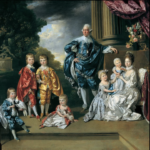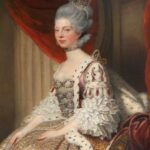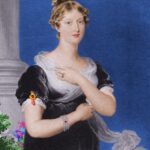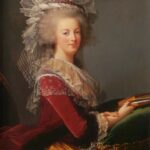
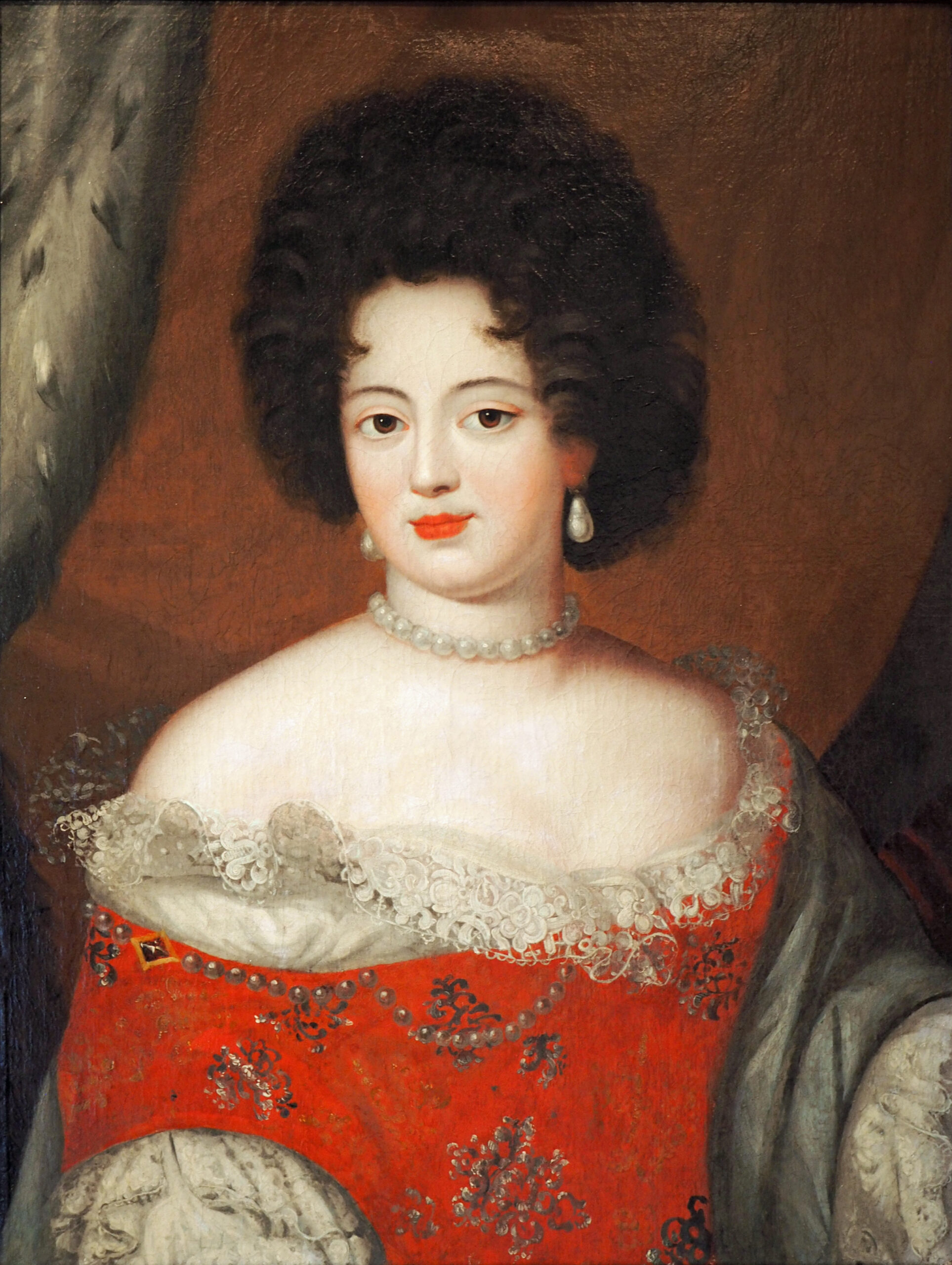
She was locked away for thirty-two years — not for treason, not for murder — but so her husband could rule without her.
Sophia Dorothea of Celle was born into German nobility and married George Louis of Hanover in 1682. The marriage was meant to strengthen dynastic power between two influential German houses. On paper, it was politically valuable.
In reality, it was deeply unhappy.
The couple had two children together, including the future George II of Great Britain. But the marriage quickly deteriorated. George Louis openly kept mistresses, showed little affection for his wife, and the relationship between them became increasingly hostile.
Sophia Dorothea eventually sought companionship elsewhere.
Her close friendship with Count Philip Christoph von Königsmarck became the center of scandal at court. Whether the relationship was romantic or not has been debated for centuries, but rumors alone were enough to trigger a political crisis.
In 1694, Königsmarck suddenly disappeared.
Many historians believe he was murdered, likely with the knowledge—or approval—of those protecting George Louis’s reputation. Soon afterward, Sophia Dorothea’s fate was sealed.
At 27 years old, she was formally divorced and imprisoned.
She was taken to Ahlden House, a remote castle in northern Germany, where she would remain under constant guard. The charges against her were never formally tried in court. Instead, the decision was political and permanent.
Sophia Dorothea would never see freedom again.
Even more devastating, she was separated from her two children, who were taken from her and raised at the Hanoverian court. She never saw them again for the rest of her life.
Years passed.
While Sophia Dorothea remained confined at Ahlden, the man who had ordered her removal rose even higher. In 1714, George Louis became King George I of Great Britain, beginning the Hanoverian dynasty that would rule Britain for more than a century.
The woman who should have been Queen of Great Britain remained a prisoner.
Sophia Dorothea lived the rest of her life in isolation. Though she was treated with the formal respect owed to a princess, she was never allowed to leave Ahlden or return to public life.
She died there in 1726, at the age of 60.
Her husband, King George I, died one year later.
Sophia Dorothea had spent more than half her life behind locked doors—not because she threatened the state, but because her existence complicated the ambitions of a king.
A queen in title.
A prisoner in reality.