Was Queen Charlotte of Mecklenburg-Strelitz Black? It’s a question that resurfaces every few years, stirring fascination, debate, and sometimes controversy. The truth is more complicated—and more intriguing—than any quick answer.
Some historians trace a possible line of African ancestry through a 15th-century Portuguese noblewoman connected to Charlotte’s family tree. If true, it would make Charlotte one of the very few European queens with distant African heritage. But the evidence, like much of early genealogical research, is thin and open to interpretation. The theory rests on lineage, portraits, and historical descriptions—but none of it amounts to definitive proof.
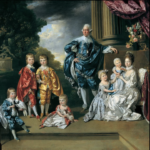
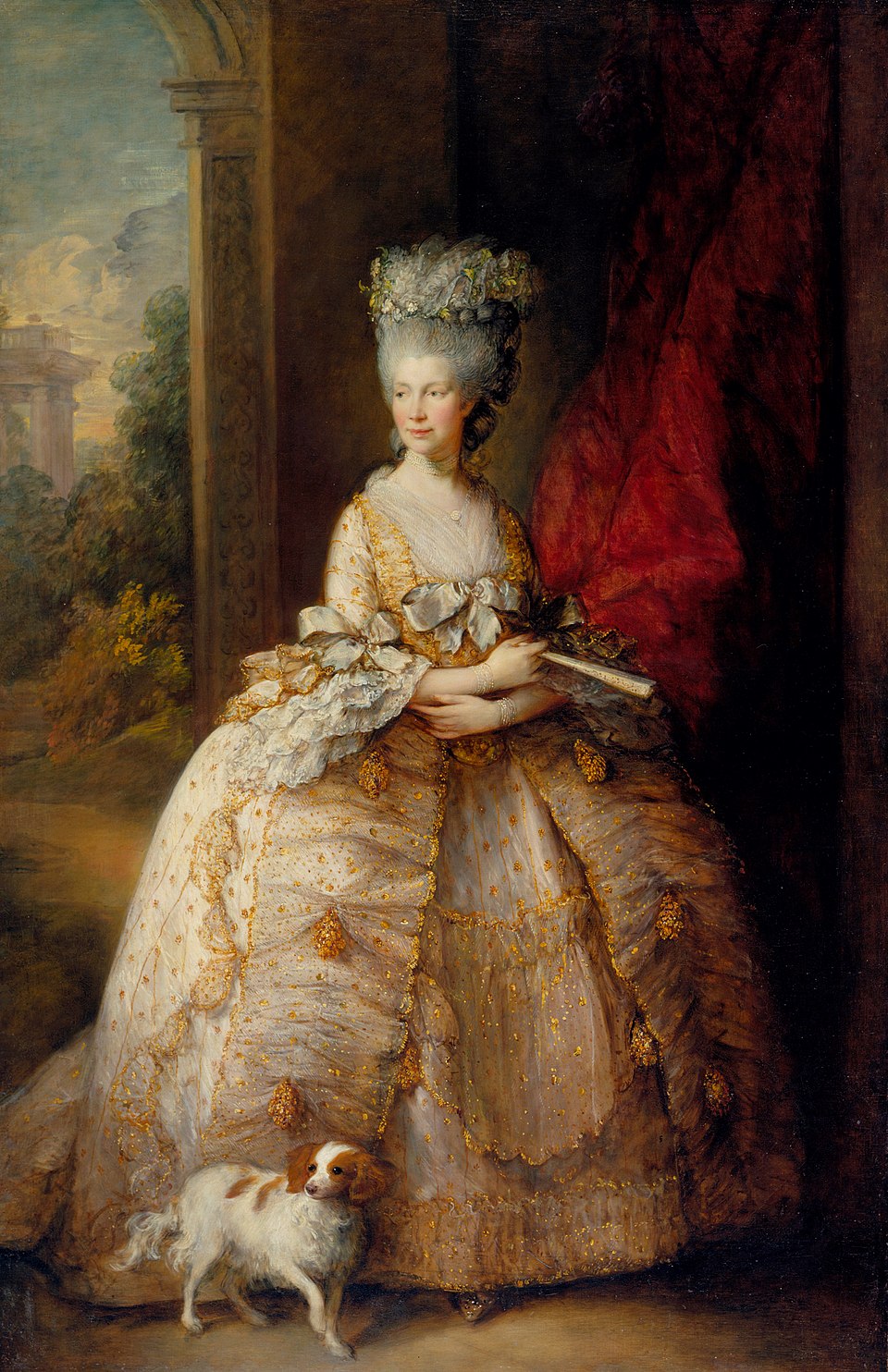
What we do know is what people said about her at the time. Surviving records describe Queen Charlotte as “plain,” “pale,” and “small,” with features that court observers didn’t consider conventionally beautiful. Her portraits—especially those by Allan Ramsay—use warm undertones and soft shading that some modern viewers misinterpret as evidence of complexion rather than artistic style. Eighteenth-century portraiture was never a photograph; it was a performance, shaped by the painter’s hand, the sitter’s politics, and the aesthetics of the age.
The debate says as much about our world as it does about hers. Charlotte lived in a Britain that never identified her as Black, never described her using racial terminology, and never commented on her appearance in ways that suggested she was seen as anything other than a German-born princess turned British queen. Yet the idea that she might have had distant African ancestry captivates us today because it challenges our assumptions about royal history—and because lineage is never as simple as it appears in textbooks.
So, was Queen Charlotte Black? The honest answer is that there is no conclusive primary-source evidence to say she was. There is also no definitive way to rule out the possibility of distant ancestry. What remains is a mystery shaped by art, genealogy, and the way history continues to evolve as we reinterpret the past.
Whether the theory is true or not, the fascination tells a story of its own: that even the most public figures can hold private histories the world is still trying to understand.